
How to Maintain Black and Silver Car Number Plates
Jul 04, 2026
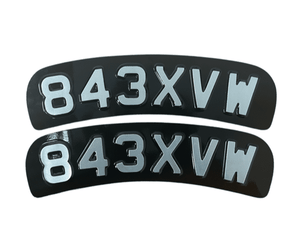
Black and silver car number plates are one of the most recognisable features of a classic vehicle. Their traditional black background and silver digits help preserve authenticity and create a period-correct appearance that many enthusiasts value.
Whether fitted to a vintage car used regularly on the road or a historic vehicle displayed at vehicle meets and shows, proper maintenance helps number plates retain their finish, remain clearly visible, and continue to complement the vehicle's overall style.
For owners who legally display black and silver number plates, regular care is also important for ensuring compliance with current regulations and number plate displaying requirements.
Why Black and Silver Number Plate Maintenance Matters
Black and silver number plates do more than identify a vehicle. They contribute to the authentic appearance of classic cars and help reinforce the character of a historic vehicle.
Over time, dirt, road film, moisture, and exposure to the elements can affect the finish of black and silver plates. Without proper care, silver letters and digits may become harder to read, while damage can spoil the appearance of an otherwise well-maintained classic vehicle.
Regular maintenance helps retain the appearance of black and silver number plates while ensuring they remain secure, legible, and suitable for use where legally permissible.
How to Clean Black and Silver Car Number Plates
The safest way to clean black and silver car number plates is with mild soap and water.
A soft cloth or microfibre towel will remove dirt without damaging the black background or silver characters. Gentle cleaning helps retain the authentic finish and prevents unnecessary wear.
Avoid abrasive products, harsh chemicals, or strong solvents. These can damage painted surfaces, affect silver plates, and reduce the lifespan of pressed metal number plates.
After washing, dry the plates thoroughly to prevent water marks and maintain a clean appearance.
Inspecting Number Plates for Wear and Damage
Regular inspections are an important part of maintaining number plates.
When washing your vehicle, check for fading, corrosion, loose fittings, chipped paint, or damage affecting the letters and digits. Number plates that become difficult to read can affect both presentation and compliance.
If wear becomes noticeable, arranging a replacement promptly is often the best solution. Damaged plates can undermine the authenticity of a restoration and may fail to meet legal requirements if the registration is no longer clearly visible.
For road-going vehicles, maintaining the correct style, spacing, and format is essential.
Keeping Number Plate Fixings Secure
Another important aspect of maintenance is checking that the plates remain securely fixed.
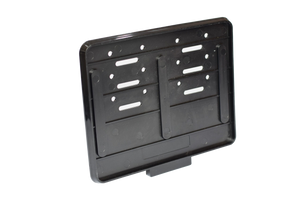
Screws, bolt covers, brackets, and adhesive mounts can loosen over time, particularly on vehicles used regularly or stored outdoors. A plate that is not properly fixed is more vulnerable to damage and can detract from the vehicle's appearance.
Inspect the mounting points periodically and ensure the plate remains straight, secure, and properly aligned.
Protecting the Finish of Black and Silver Plates
Protecting black and silver number plates from unnecessary exposure can help extend their lifespan.
Where possible, store the vehicle in a garage or covered area to minimise weathering. Limiting exposure to direct sunlight, rain, and harsh conditions can help retain the finish and prevent premature fading.
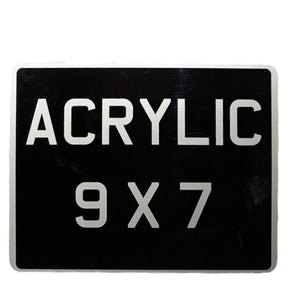
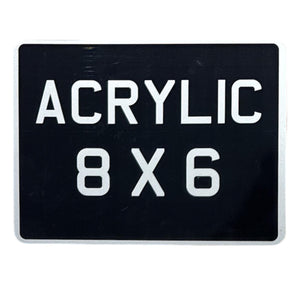
Many classic vehicle owners also use dedicated display plates or classic car display plates for exhibitions and vehicle meets. This helps preserve their primary plates while maintaining an authentic presentation.
Cleaning Number Plates After Driving
After driving, particularly in poor weather, it is advisable to clean number plates as soon as practical.
Road film, mud, and moisture can build up quickly and affect both appearance and number plate displaying requirements. A gentle rinse followed by washing with mild detergent is usually sufficient.
Prompt cleaning helps prevent grime from becoming embedded and reduces the risk of scratching during future maintenance.
Storage and Long-Term Care
If your black and silver number plates are only used occasionally, storage becomes especially important.
Keep plates in a dry environment away from excessive heat, moisture, and sharp objects. Proper storage helps retain the finish and prevents unnecessary wear between uses.
Owners who alternate between road-going plates and display plates should store both sets carefully to preserve their condition and authenticity.
Legal Requirements for Black and Silver Number Plates
Maintaining black and silver number plates is not only about appearance. It is also a legal requirement that plates remain clearly visible and suitable for the vehicle on which they are displayed.
According to DVLA regulations, eligibility to display black and silver number plates depends on the vehicle's construction date and historic status. A vehicle constructed with a construction date prior to the qualifying cut-off may be eligible to legally display black and silver plates if it is correctly registered within DVLA's historic tax class.
The construction date recorded by the DVLA is important when determining eligibility. A historic vehicle that qualifies may display black and silver plates, while vehicles registered after the applicable date must use current style number plates and reflective plates instead.
Owners should note that eligibility is linked to the historic tax class and vehicle tax status. Vehicles that become exempt from vehicle tax due to age may qualify, provided the correct tax class has been applied and recorded.
If a vehicle is kept off road, owners should not forget to submit a statutory off road notification where required. The law surrounding historic vehicles has evolved over time, including introducing measures intended as a legal correction to address an unintended consequence that could otherwise create undue costs for owners.
If your vehicle does not qualify, it is not permissible to display black and silver plates on public roads. In those cases, compliant white number plates at the front and yellow rear plates at the rear remain the legal requirement.
British Standard Requirements for Number Plates
Owners should also be aware of current number plate regulations.
Any new number plate produced and fixed to a vehicle after the introduction of the new British Standard must comply with the technical requirements contained within the applicable British Standard. These technical requirements cover aspects such as durability, visibility, and construction.
Current style number plates produced under the new British Standard may also include manufacturer markings and other compliance details. In addition, the euro symbol can no longer appear on newly produced plates.
While traditional black number plates used on eligible historic vehicles follow different styling conventions, owners should still ensure any replacement plate is supplied correctly and meets relevant regulations.
Why Quality Pressed Metal Number Plates Are Easier to Maintain
Maintenance is significantly easier when number plates are manufactured to a high standard.
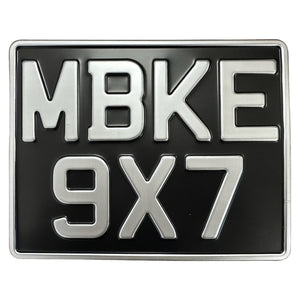
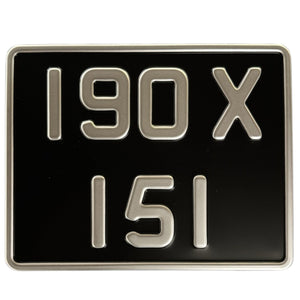
Quality pressed metal number plates are more resistant to wear, easier to clean, and better able to retain their appearance over time. Many enthusiasts prefer pressed metal designs because they closely replicate traditional silver number plates used throughout much of the twentieth century.
Specialist suppliers understand the requirements for classic vehicle applications and can advise on suitable styles, materials, and legal considerations.
When ordering a replacement, customers will typically need a log book and photographic ID to verify entitlement to the registration.
A Simple Care Routine for Black and Silver Number Plates
For most owners, maintaining black and silver number plates requires only a simple routine.
Clean the plates regularly using mild soap and water, inspect them for wear, check that they remain securely fixed, and store them carefully when not in use.
These small steps help retain authenticity, preserve the finish, and ensure the plates continue to suit the age and style of the vehicle.
Why Choose Chase Lane Plates?
At Chase Lane Plates, we understand the importance of authenticity when maintaining classic and vintage vehicles.
Black and silver number plates have been part of British motoring history since the Motor Car Act introduced vehicle registration. Long before reflective plates, white number plates, and yellow rear plates became standard, black and silver plates defined the appearance of British roads.
Whether you need a replacement plate, a display plate, or expert advice on maintaining your existing plates, we can help you choose a solution that balances authenticity, compliance, and quality.